
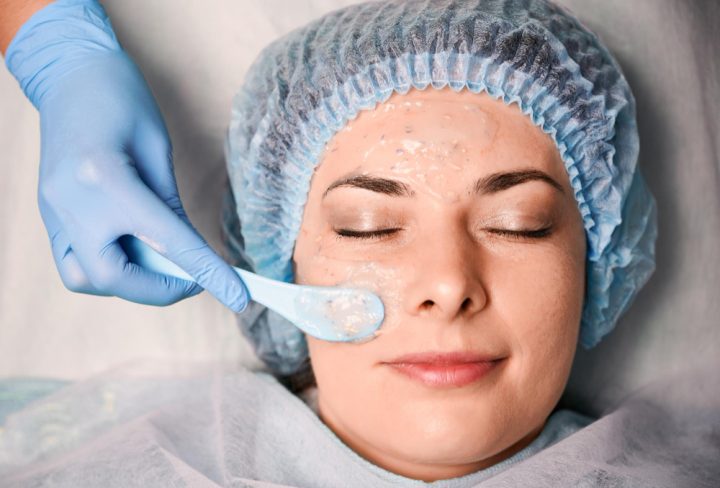
What Is a Chemical Peel?
A chemical peel is a skin treatment that uses a special solution to remove the top layer of skin. This process helps improve skin texture, reduce fine lines, and treat spots. Many people choose chemical peels for smoother, brighter skin. However, proper aftercare is important for safe recovery and the best results. Knowing the things to follow after a chemical peel can help you heal well and avoid problems.
Immediate Aftercare Steps
Right after your chemical peel, your skin will be sensitive. Therefore, you should follow these steps to protect your skin:
In addition, avoid picking or peeling your skin. This can cause scars or infection. If you feel discomfort, you may use a cold compress for relief. Always follow your dermatologist’s instructions for the best results.
Skincare Routine Post-Peel
After a chemical peel, your daily skincare routine should be gentle. For example, choose products made for sensitive skin. Here are some tips for post-chemical peel care:
Moreover, do not use makeup for at least 24 hours, or as your doctor advises. This helps prevent irritation and allows your skin to recover faster.
What to Avoid After a Chemical Peel
There are several things you should avoid after a chemical peel to ensure safe recovery:
Because your skin is healing, these steps help prevent infection and reduce the risk of dark spots or scarring.
Signs of Complications and When to Seek Help
Most people heal well after a chemical peel. However, you should watch for signs of problems. For instance, contact your doctor if you notice:
Additionally, if you see dark spots or scarring, let your dermatologist know. Early treatment can help prevent lasting damage. According to the American Academy of Dermatology, quick action is key for safe recovery.
Tips for Long-Term Skin Health
After your skin heals, you can keep it healthy with good habits. For example, follow these tips for glowing skin:
Furthermore, avoid smoking and limit alcohol, as these can harm your skin. With the right care, you can enjoy smooth, healthy skin long after your chemical peel.
For personalized post-peel care advice, consult a board-certified dermatologist. They can guide you on the best things to follow after a chemical peel for your unique skin.