
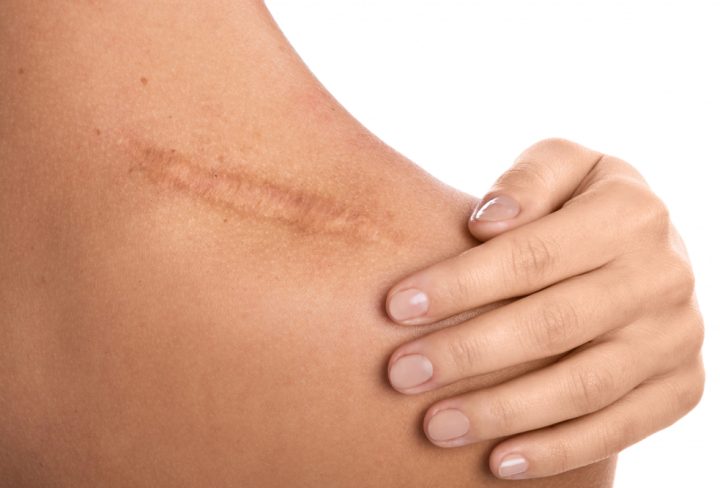
Introduction
Many people want to know the truth about scar removal. Scars can affect how you feel about your skin. Because of this, finding the best scar removal treatments is important for many. Some scars fade over time, but others may stay for years. Understanding what really works can help you make safe choices. In this blog, we will explore proven methods, common myths, and tips for smoother skin.
What Are Scars?
Scars form when your skin heals after an injury. For example, cuts, burns, acne, or surgery can all cause scars. The body repairs itself by making new tissue. However, this new tissue often looks and feels different. There are several types of scars:
Each type may need a different approach for removal. So, knowing your scar type helps you choose the right treatment.
Common Myths About Scar Removal
There are many myths about how to remove scars safely. Let’s look at some common ones:
Because of these myths, it’s important to rely on proven treatments and expert advice.
Proven Medical Treatments for Scar Removal
Several medical treatments have been shown to help with scar removal. According to the American Academy of Dermatology, these options are safe when done by a trained professional:
Each treatment has benefits and risks. Therefore, always talk to a dermatologist before starting any procedure.
Home Remedies: What Works and What Doesn’t
Many people try home remedies for scar removal. Some can help, but others may not work or could even harm your skin. Here’s what you need to know:
Because not all home remedies are safe, always test a small area first. If you notice redness or pain, stop using the product.
How to Choose the Right Scar Removal Method
Choosing the best scar removal treatment depends on several factors. For example, consider the type, size, and age of your scar. Also, think about your skin type and any allergies. Here are some tips to help you decide:
Because everyone’s skin is different, what works for one person may not work for another.
Prevention Tips for Scarring
While you can’t always prevent scars, some steps can help your skin heal better. For instance, you can:
Because early care matters, start these steps as soon as you get a cut or scrape.
When to See a Dermatologist
Sometimes, scars need expert care. You should see a dermatologist if:
Because dermatologists know the latest treatments, they can help you find the safest and most effective option.
Conclusion
In summary, scar removal is possible, but results vary for each person. Proven treatments and expert advice offer the best chance for smoother skin. For personalized scar removal advice, consult a dermatologist.