
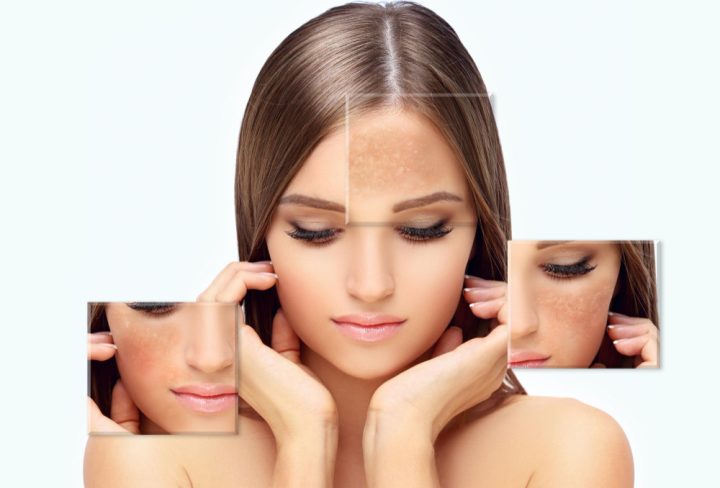
What is Melasma?
Melasma is a common skin condition. It causes brown or gray-brown patches on the face. Usually, these patches appear on the cheeks, forehead, nose, or upper lip. While melasma is not harmful, it can affect how you feel about your skin. Many people notice melasma during pregnancy or after sun exposure. Because it is so common, many seek melasma treatment options to improve their skin’s appearance.
Common Symptoms of Melasma
Melasma symptoms are easy to spot. However, they can look like other skin problems. The main signs include:
Usually, melasma does not cause pain or itching. But, the patches can make some people feel self-conscious. If you notice new or changing spots, it is wise to talk to a dermatologist.
Causes and Risk Factors
Melasma develops when skin cells make too much pigment. This pigment gives skin its color. Several factors can trigger melasma or make it worse. For example, sun exposure is a major cause. Ultraviolet (UV) rays from the sun stimulate pigment cells. As a result, patches can get darker or spread.
Other common causes and risk factors include:
Because melasma is more common in women, especially those aged 20 to 40, hormones play a big role. Still, men can get melasma too.
How Melasma is Diagnosed
Doctors can often diagnose melasma by looking at your skin. First, they will ask about your medical history and any triggers. Sometimes, a special light called a Wood’s lamp helps show how deep the pigment is. Rarely, a skin biopsy may be needed to rule out other conditions. However, most cases do not need extra tests. Early diagnosis helps you find the best melasma treatment options.
Effective Treatment Options
Melasma can be stubborn, but many treatments can help. Because each person’s skin is different, what works for one may not work for another. Here are some common melasma treatment options:
For best results, follow your doctor’s advice. Sometimes, it takes months to see improvement. If you stop treatment too soon, melasma may return.
Lifestyle Tips and Prevention Strategies
While melasma can be hard to prevent, some steps can lower your risk. For example, protecting your skin from the sun is very important. Here are some tips on how to prevent melasma:
Additionally, if you are pregnant or using hormone treatments, talk to your doctor about your risk. Early action can help keep melasma under control.
When to See a Dermatologist
Although melasma is not dangerous, it can be hard to treat alone. If you notice new or changing patches, see a dermatologist. Also, if over-the-counter creams do not help, a doctor can suggest stronger options. Sometimes, melasma can look like other skin problems. Therefore, getting a correct diagnosis is important. Early treatment often leads to better results.
In summary, melasma is a common skin condition that can affect anyone. However, with the right care and advice, you can manage it well. For personalized melasma treatment options, consult a dermatologist. They can help you find the best plan for your skin.