
Introduction
Rashes in children are common and can worry many parents. The primary keyword, “Rashes in Children: Allergy, Infection or Something Else?” highlights the need to know the cause. Sometimes, a rash is mild and goes away quickly. Other times, it may signal a more serious problem. Because of this, understanding what causes rashes helps parents and caregivers respond the right way. Early action can make a big difference in your child’s health.
What Are Rashes in Children?
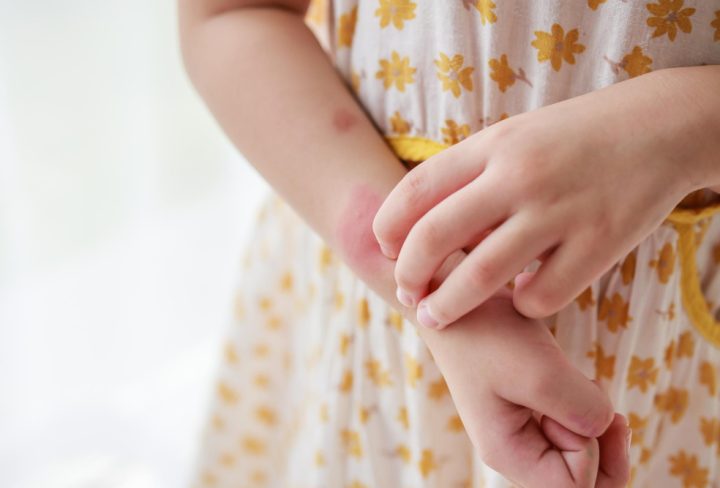
A rash is a change in the skin’s color, texture, or appearance. In children, rashes can show up as red spots, bumps, or patches. Sometimes, the skin may feel itchy or sore. While many rashes are harmless, some need quick medical care. For example, a rash with fever or swelling can be a sign of infection. Knowing what a rash looks like helps you decide what to do next.
Common Causes: Allergy, Infection, or Other Reasons
There are many reasons why children get rashes. Most often, the cause is one of these:
Additionally, some rashes are linked to climate or local plants. In hot or humid places, heat rashes are more common. Because causes can vary, it’s important to look at other symptoms too.
Symptoms to Watch For
Not all rashes look the same. However, some symptoms can help you spot a problem early. Watch for these signs:
Sometimes, a rash comes with other symptoms like cough, sore throat, or tiredness. If you see these, it may point to an infection. Always pay attention to how your child feels overall.
How Rashes Are Diagnosed
Doctors use several steps to find the cause of a rash. First, they ask about your child’s health and recent activities. Next, they look closely at the rash’s shape, color, and location. Sometimes, doctors may ask about new foods, medicines, or travel. In rare cases, they may order blood tests or skin swabs. Because many rashes look alike, sharing details helps the doctor make the right diagnosis.
Treatment Options for Childhood Rashes
Treatment depends on the cause of the rash. For mild rashes, home care may be enough. Here are some common treatments:
However, if the rash is due to infection, your child may need antibiotics or antiviral medicine. Never use over-the-counter creams without checking with a healthcare provider first. Because some rashes can get worse with the wrong treatment, always follow your doctor’s advice.
When to See a Doctor
Some rashes need quick medical care. See a doctor right away if your child has:
Additionally, if the rash does not improve in a few days, or if you are unsure about the cause, it’s best to get medical help. Early treatment can prevent serious problems.
Prevention Tips for Parents
While not all rashes can be prevented, some steps can lower the risk. Try these tips:
Because prevention is easier than treatment, these habits can help keep your child’s skin healthy.
Conclusion
In summary, rashes in children can have many causes, such as allergy, infection, or other reasons. While most rashes are mild, some need quick care. If your child develops a rash, consult a healthcare professional for personalized advice. Early action can help your child feel better and stay healthy.