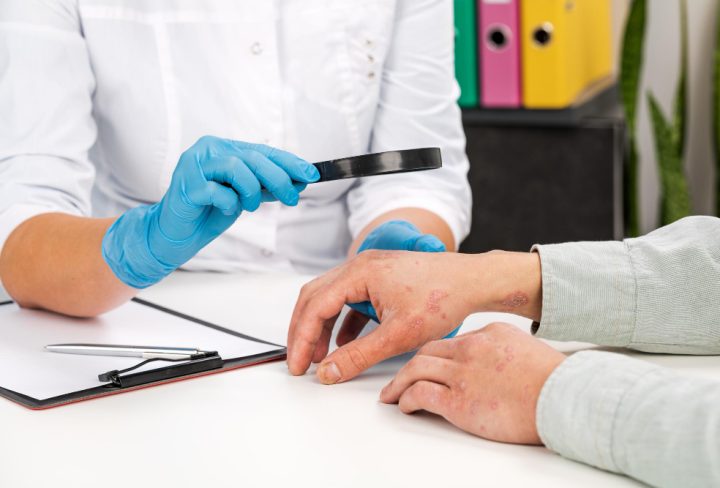
What is Psoriasis?
Psoriasis is a long-lasting skin condition. It causes red, scaly patches on the skin. These patches can be itchy or sore. Psoriasis affects millions of people worldwide. In fact, the World Health Organization (WHO) reports that about 2-3% of the global population has psoriasis. Although it is not contagious, it can impact daily life. Many people feel self-conscious about their skin. Early diagnosis and proper care can help manage symptoms. Understanding psoriasis is the first step toward better health.
Types of Psoriasis
There are several types of psoriasis. Each type looks and feels different. Knowing the type helps guide treatment. Here are the main types:
Plaque Psoriasis: This is the most common type. It causes raised, red patches with silvery scales. These often appear on the elbows, knees, scalp, and lower back.
Guttate Psoriasis: Small, drop-shaped spots appear on the skin. This type often starts in childhood or young adulthood. It may follow a throat infection.
Inverse Psoriasis: Smooth, red patches form in skin folds. These areas include the armpits, groin, and under the breasts.
Pustular Psoriasis: White blisters filled with pus appear on red skin. This type can be serious and may need urgent care.
Erythrodermic Psoriasis: This rare type covers most of the body with a red, peeling rash. It can cause severe itching and pain.
Each type may need a different treatment approach. Therefore, it is important to know which type you have.
Causes and Risk Factors
Psoriasis happens when the immune system attacks healthy skin cells by mistake. This causes skin cells to grow too quickly. As a result, thick patches form. While the exact cause is not fully known, several factors can increase the risk:
Family History: Having a close relative with psoriasis raises your risk.
Infections: Throat infections, such as strep throat, can trigger psoriasis, especially in children.
Stress: High stress levels may make symptoms worse.
Injury to the Skin: Cuts, scrapes, or sunburn can trigger new patches.
Medications: Some drugs, like beta-blockers or lithium, may cause flare-ups.
Weather: Cold, dry weather can make symptoms worse.
Smoking and Alcohol: Both can increase the risk and severity of psoriasis.
Although anyone can get psoriasis, these risk factors make it more likely. Knowing your risks can help you take steps to prevent flare-ups.
Latest Treatment Options for Psoriasis
There are many ways to treat psoriasis. The best psoriasis therapies depend on the type and severity. In 2024, new treatments offer hope for better control. Here are the latest options:
Topical Treatments: Creams and ointments, such as corticosteroids or vitamin D analogues, help reduce redness and scaling.
Light Therapy: Also called phototherapy, this uses natural or artificial light to slow skin cell growth.
Systemic Medications: Pills or injections, like methotrexate or cyclosporine, work throughout the body. These are used for moderate to severe cases.
Biologic Drugs: These are newer medicines made from living cells. They target specific parts of the immune system. Biologics, such as adalimumab or secukinumab, are effective for many people.
New Oral Treatments: Recent drugs, like apremilast, help control inflammation with fewer side effects.
Doctors often use a mix of treatments for the best results. Because new therapies are always being studied, it is important to ask your doctor about the latest options. The Centers for Disease Control and Prevention (CDC) and recent medical journals support these treatments.
Lifestyle Tips and Prevention
While there is no cure for psoriasis, healthy habits can help manage symptoms. In addition, these tips may prevent flare-ups:
Keep your skin moisturized to reduce dryness and itching.
Use gentle soaps and avoid harsh skin products.
Try to manage stress with relaxation techniques.
Eat a balanced diet rich in fruits and vegetables.
Limit alcohol and avoid smoking.
Protect your skin from cuts, scrapes, and sunburn.
Follow your treatment plan as prescribed by your doctor.
By making these changes, you can help control your psoriasis symptoms. However, always talk to your doctor before starting new routines.
When to See a Dermatologist
Sometimes, home care is not enough. You should see a dermatologist if:
Your skin patches are painful or spreading quickly.
You notice joint pain or swelling, which may signal psoriatic arthritis.
Treatments are not working or cause side effects.
You feel sad or anxious about your skin.
Early medical care can prevent complications. Moreover, a dermatologist can help you find the best psoriasis treatment in 2024.
Conclusion: Psoriasis can be managed with the right care and support. For personalized advice on psoriasis management, consult a dermatologist.